- This topic is empty.
-
AuthorPosts
-
14/10/2026 at 18:24 #6890
Heavy Duty Servo Motor Drivers for Factory Automation
Factory automation projects rarely fail because of a weak motor. More often, they fail because the drive behind that motor cannot hold position under real load, cannot survive the thermal environment of a machine bay, or cannot be integrated without adding a cabinet full of extra hardware. The heavy duty servo motor driver sits at exactly that junction — between electrical supply, mechanical load, and the control logic that decides how the machine behaves. This article examines what "heavy duty" actually means in servo motion, how modern drives deliver it, and how a manufacturer such as Shenzhen Xinlichuan Electric Co., Ltd., operating under the brand LICHUAN, approaches the problem.
What "Heavy Duty" Means in Servo Motion
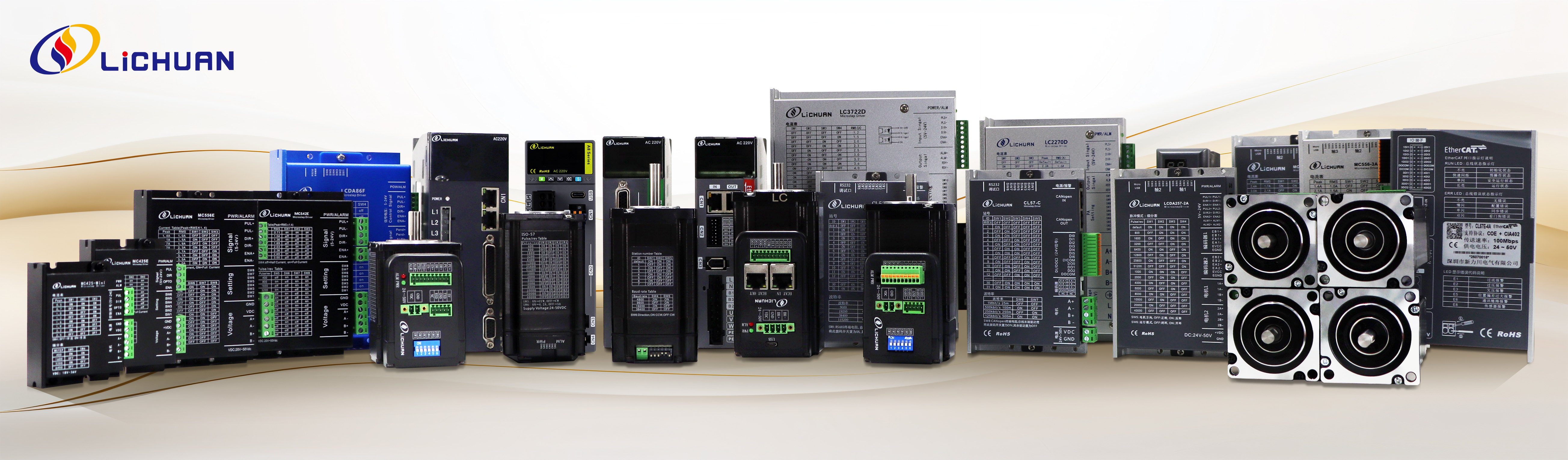
The term heavy duty is frequently used loosely. In practice it describes a combination of conditions rather than a single power rating. A drive qualifies as heavy duty when it maintains servo-grade position and speed control under continuous industrial loads, tolerates harsh ambient conditions, and continues operating predictably across years of duty cycles.
The pain points this addresses are well known to automation engineers. Open-loop stepper systems can lose steps and overheat. Servo-grade precision often carries a high cost. Separate motors and drivers add wiring, cabinet space, and electromagnetic interference. A heavy duty servo motor driver is the component that resolves all three concerns at the machine level, because it defines the system’s accuracy ceiling, its thermal margin, and its wiring footprint at the same time.
The Engineering Foundations: Feedback, Processing, and Protection
Three engineering layers determine whether a servo drive is genuinely built for heavy duty work.
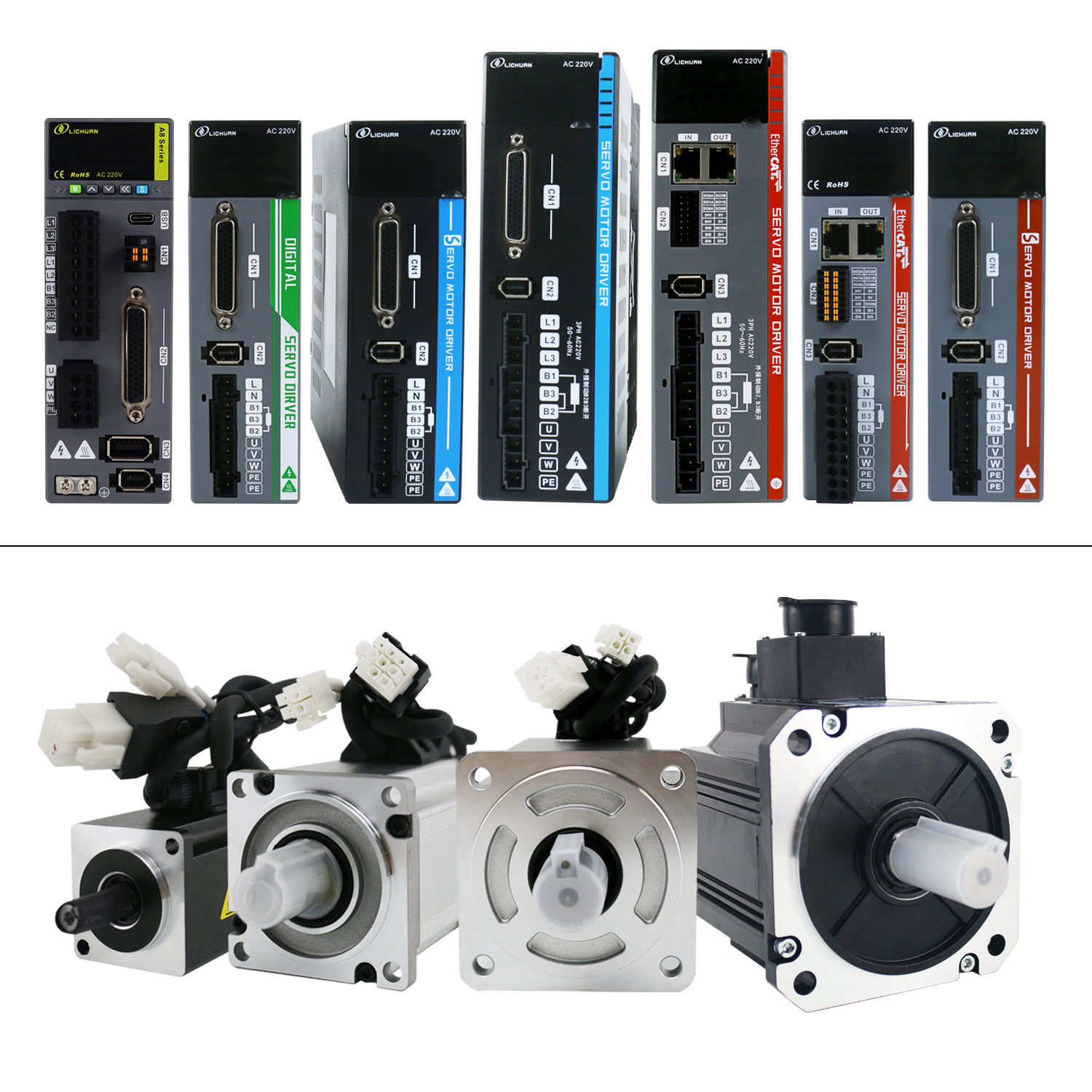
Real-time position feedback. The AC servo systems from LICHUAN include the A5 and A8 series, both of which support 23-bit encoders for high-resolution position feedback. That resolution is what allows the drive to hold position and speed accurately under changing loads rather than merely following a command.
Deterministic processing. Control decisions must be made fast enough that torque correction happens within the duty cycle. The company’s technical platform relies on 32-bit DSP processing, a 1000PPR encoder architecture in its closed-loop products, and smart current control to keep current delivery matched to actual demand.
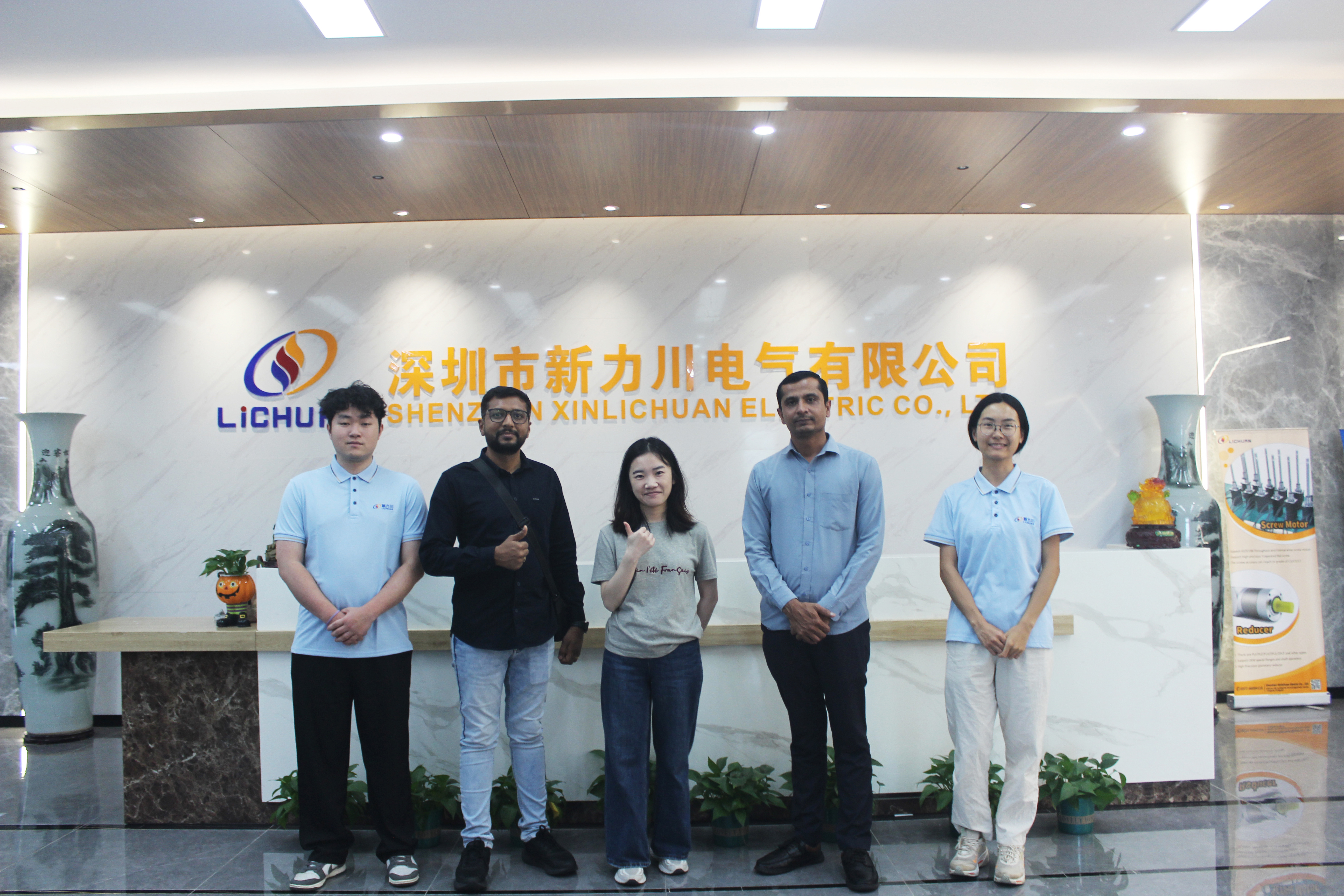
Environmental protection. Industrial environments punish exposed electronics. LICHUAN products carry IP65 and IP66 protection ratings, which allow drives and motors to operate in the presence of dust and moisture rather than being confined to climate-controlled cabinets.
These layers are validated rather than assumed. Products undergo 24-hour high and low temperature aging tests, and the company holds ISO9001:2008 quality management system certification along with CE and RoHS certification.
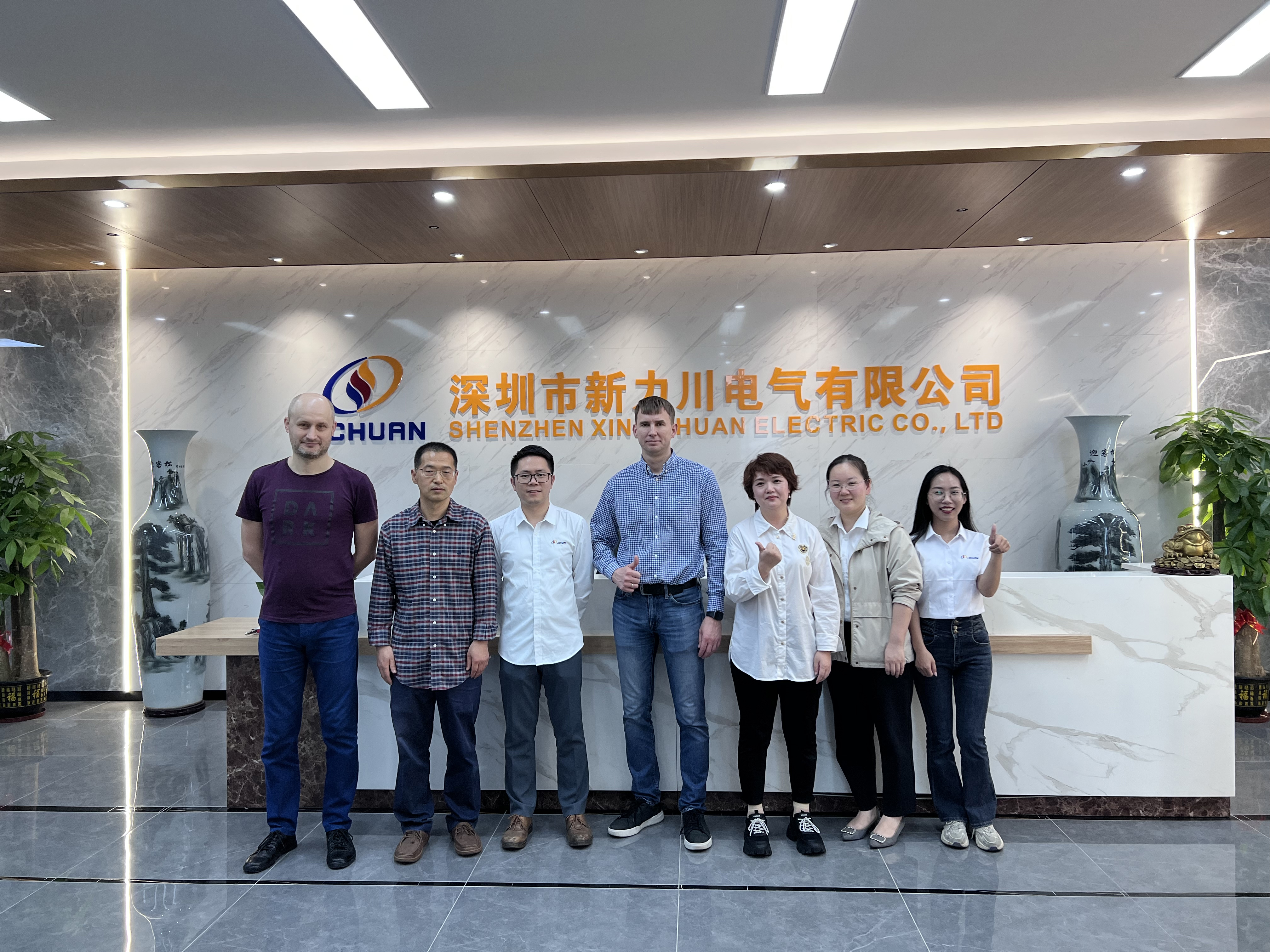
Matching Drive Power to Duty Level
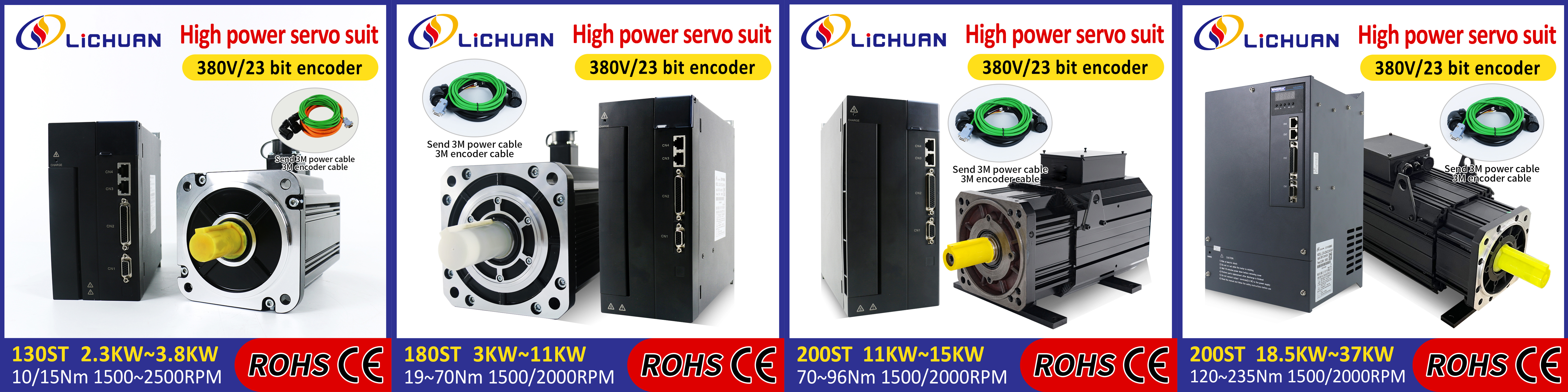
Heavy duty rarely means one size. A factory automation line typically spans several duty levels, from small indexing axes to large main-axis drives. LICHUAN’s range covers this span deliberately: from NEMA 11 steppers to 37KW high-voltage AC servos.
For AC servo systems specifically, the portfolio spans 50W to 37KW with 220V and 380V support. That combination matters because heavy duty main axes commonly run on 380V, while auxiliary axes may run on 220V, and a single vendor capable of both reduces spares complexity and engineering time.
The AC servo series also include functional features relevant to machinery safety and feedback integration: STO (Safe Torque Off) and ABZ incremental encoder output. STO allows the drive to be brought to a torque-free state through a dedicated safety path, and ABZ output lets encoder feedback be shared with other controllers on the machine.
Below the AC line, the company offers DC servo systems from 24V to 48V and 100W to 1500W, which serve battery-powered and mobile automation equipment where high-voltage mains supply is not available.
Where Heavy Duty Servo Drivers Prove Themselves
The industries in which these drives are deployed reveal the practical definition of heavy duty. LICHUAN’s covered applications include CNC machining — milling, engraving, and cutting — 3D printing, warehouse automation including AGV and AMR platforms, robotic joint control, medical diagnostic equipment, textile machinery, 3C electronics manufacturing, and industrial sewing machines.
Documented deployment scenarios illustrate how the products are matched to duty:
- CNC milling and engraving. Customers building CNC machines or cutting metal and wood require accurate positioning and reliable torque. The solution deployed is NEMA 34 closed-loop kits.
- Electronics assembly. In 3C electronics manufacturing, high-speed and high-accuracy assembly operations are served by the A8 servo series.
- Logistics robotics. AGV and AMR mobile platforms require compact, low-voltage motion control. The deployed solution is 48V DC integrated servos.
- Textile and sewing. Industrial sewing equipment requires specialized motor control, addressed with integrated stepper and servo motors.
Integration Trends: Fewer Components, Less Interference
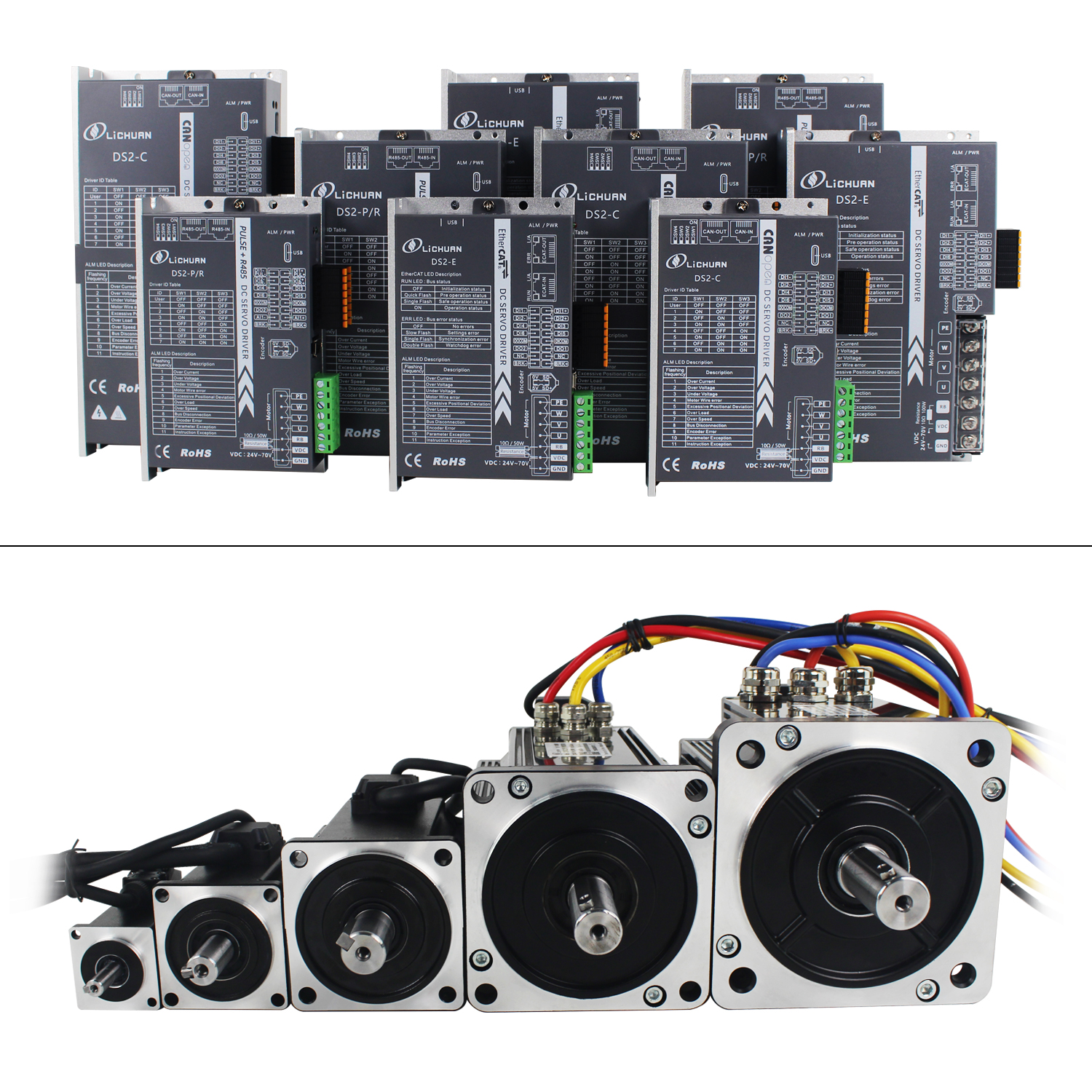
One of the clearest shifts in factory automation is the consolidation of motor and drive into a single unit. LICHUAN’s integrated motors combine the motor and driver in one package, which reduces wiring, saves space, and lowers electromagnetic interference. They support pulse, RS485, and CANopen control modes, allowing the same hardware family to serve different control architectures on the same machine.
The control layer and mechanical transmission are addressed alongside: PLCs with 16 to 60 points, HMIs for operator control and monitoring, and planetary reducers for torque transmission in robotic joints and mechanical systems.
Energy Efficiency as a Duty-Cycle Benefit
Heavy duty operation makes energy consumption a first-order concern, because losses accumulate across continuous shifts. LICHUAN positions its systems around up to 40% energy reduction through smart current control — a meaningful figure when drives run continuously across multiple production lines.
Manufacturing Background and Delivery Model
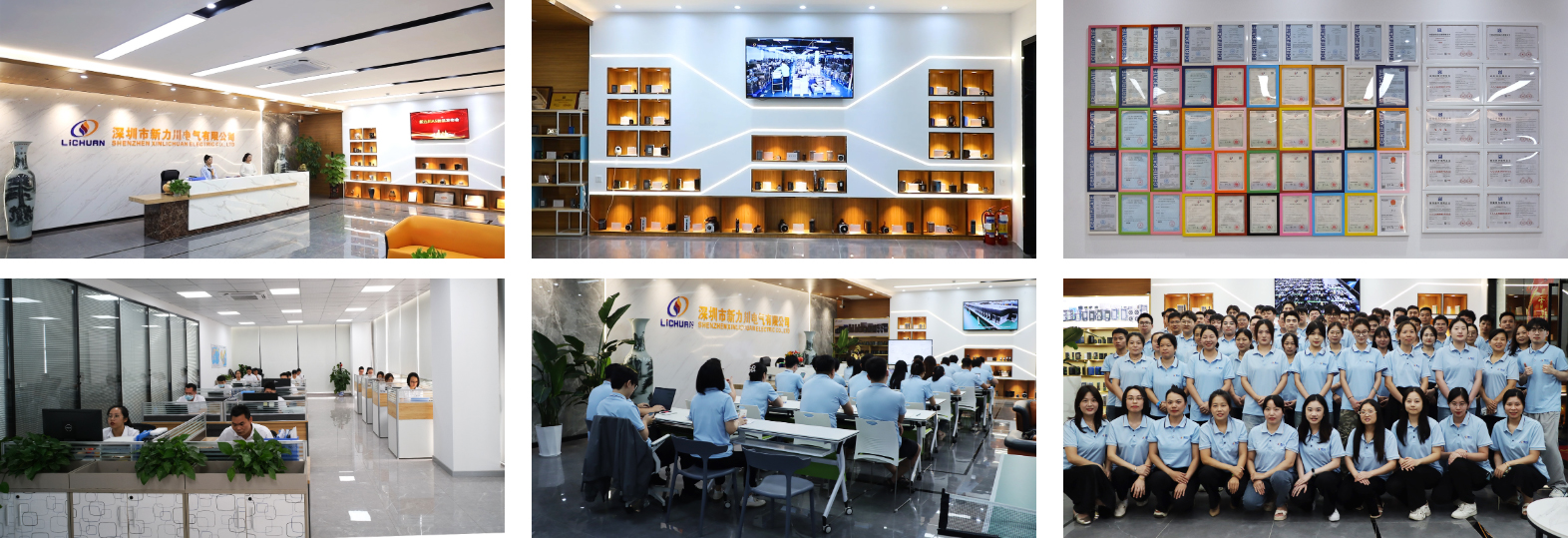
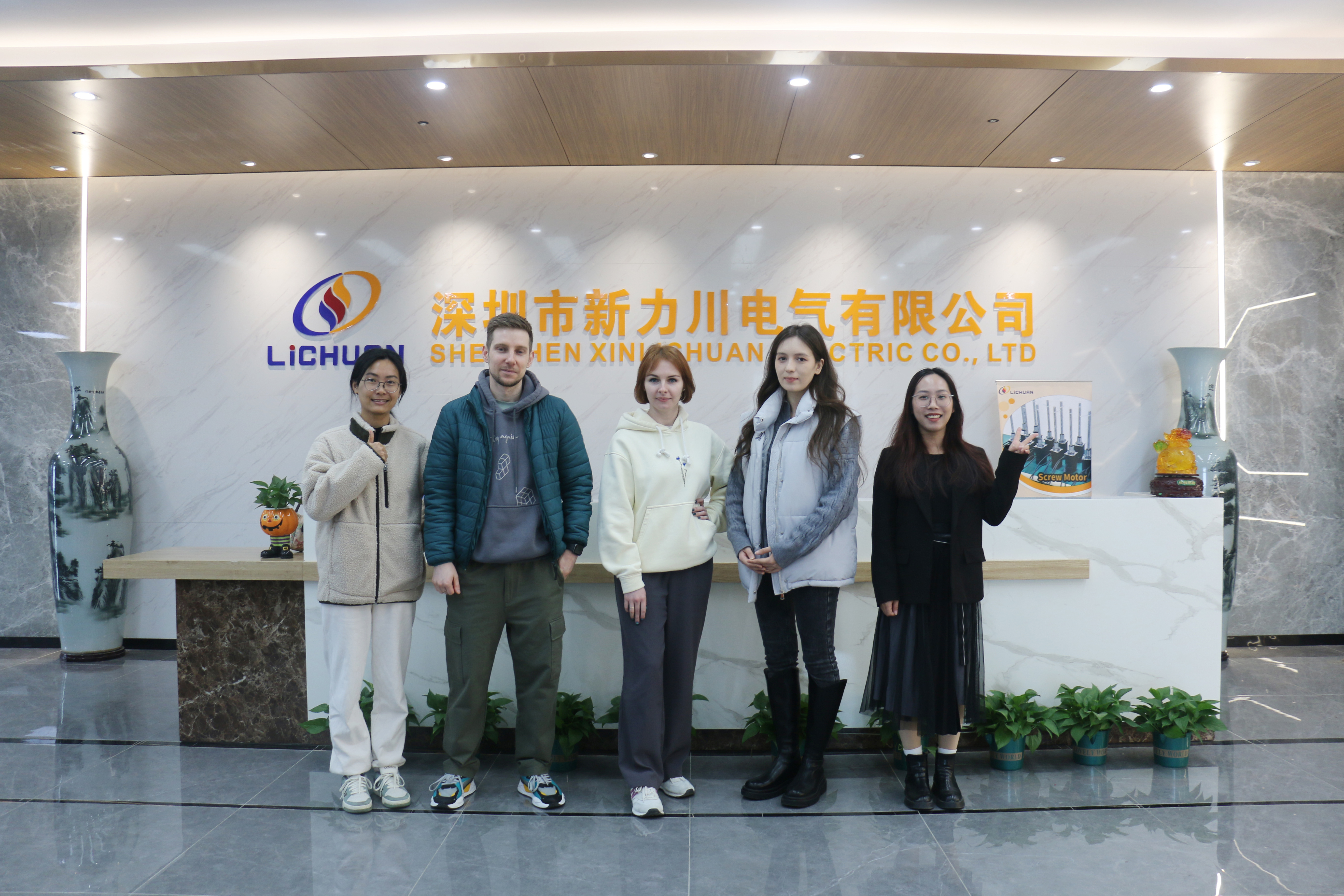
Shenzhen Xinlichuan Electric Co., Ltd. was founded in 2009 and is headquartered in Shenzhen, China, with a brand identity of LICHUAN. The company operates a 4,410-square-meter self-owned factory with 9 production lines and 30 or more specialized machines, supported by over 160 employees, including dedicated procurement and finance professionals. As of late 2016, the company had filed 23 patent applications, with 20 patents granted and 11 software copyrights.
Delivery follows a straightforward industrial model: hardware manufactured in-house, sold directly, with OEM and ODM customization available, and international certification support including CE and RoHS.
How to Evaluate a Heavy Duty Servo Motor Driver
When specifying drives for factory automation, a practical evaluation checklist follows from the engineering concerns above:
- Feedback resolution — confirm the encoder specification, such as the 23-bit encoders on the A5 and A8 series.
- Power and voltage fit — verify the drive matches the axis, from 50W to 37KW with 220V or 380V support.
- Environmental rating — check IP65 or IP66 protection if the drive will sit outside a controlled cabinet.
- Safety functions — confirm STO availability where torque-off safety is required.
- Wiring and footprint — consider integrated motors where cabinet space, wiring, and EMI are constraints.
- Qualification evidence — ISO9001:2008, CE, and RoHS certification, plus aging test procedures, provide a baseline for reliability claims.
Conclusion
A heavy duty servo motor driver is not defined by a number on a nameplate. It is defined by feedback resolution, processing capability, thermal and ingress protection, and the breadth of power and voltage options that let one system cover an entire production line. Shenzhen Xinlichuan Electric Co., Ltd., through the LICHUAN brand, builds its positioning around adding a higher performing closed-loop servo system to factory automation, with a product range spanning NEMA 11 steppers to 37KW AC servos, integrated motor-driver units supporting pulse, RS485, and CANopen, and a documented set of deployments across CNC, electronics assembly, logistics robotics, and textile machinery. For engineers evaluating motion systems, that combination — verified protection ratings, a wide voltage and power span, and integration-ready hardware — is what turns a driver specification into a reliable machine.
http://www.lichuanservo.com
Shenzhen Xinlichuan Electric Co., Ltd. -
AuthorPosts

- You must be logged in to reply to this topic.