- This topic is empty.
-
AuthorPosts
-
03/11/2026 at 18:01 #7070
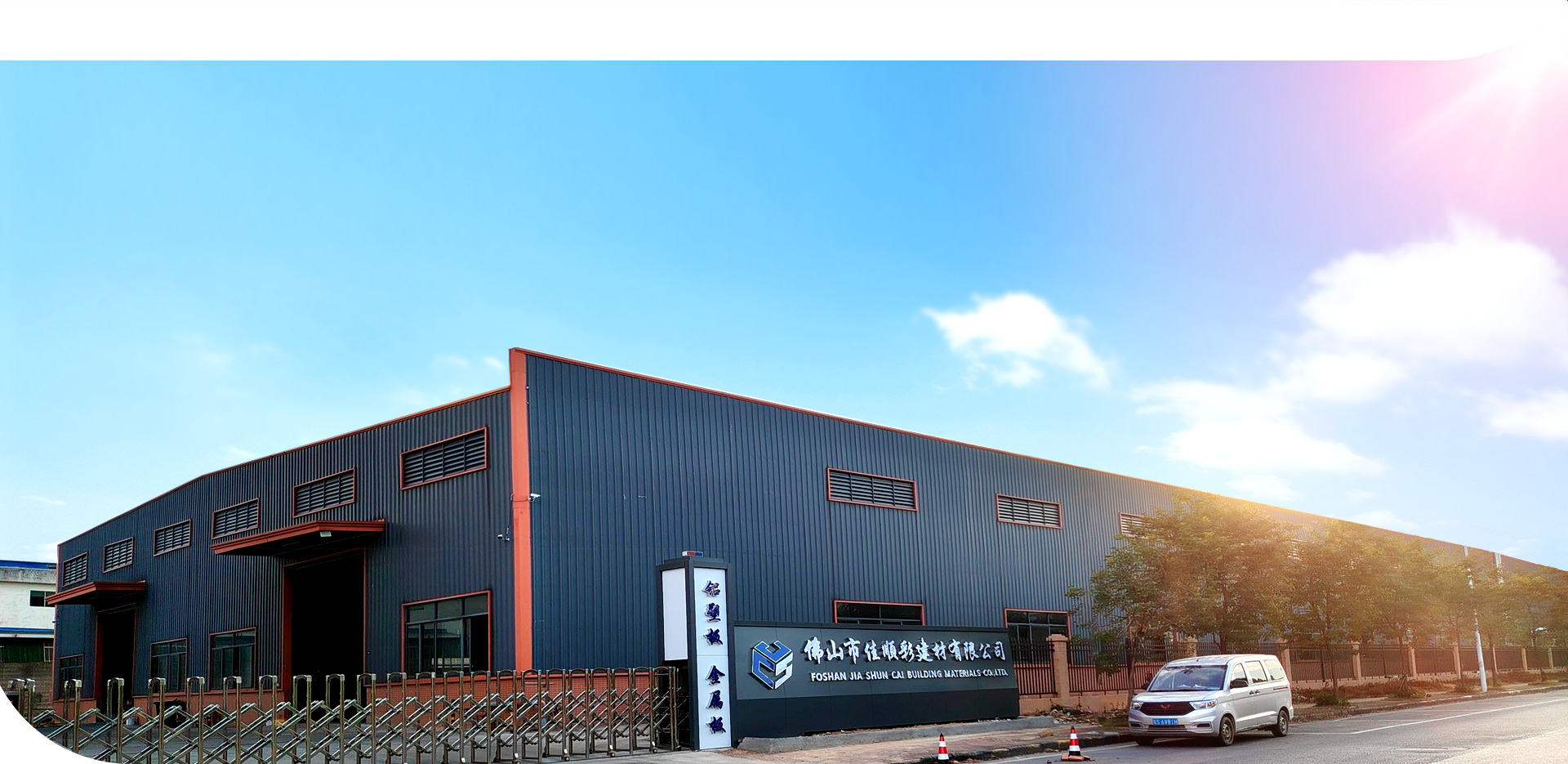
When specifying aluminum composite panels for a building facade, exterior wall cladding, or any outdoor architectural application, one of the most frequently asked technical questions concerns the choice between PVDF (polyvinylidene fluoride) coating and PE (polyethylene) coating systems. Both coating technologies are widely available in the aluminum composite panel (ACP) industry, but they are engineered for different performance requirements and application environments. Foshan Jiashuncai Building Materials Co., Ltd., operating internationally under the brand JIASHUNCAI, manufactures both PE Aluminum Composite Panels and PVDF Aluminum Composite Panels, and the differences between the two systems are rooted in coating chemistry, intended use case, and long-term warranty structure.
Understanding The Core Difference Between PE And PVDF Coatings
PE Aluminum Composite Panels use a PE coating system that is positioned for interior and selected architectural applications where exterior durability demands are less severe. According to JIASHUNCAI’s product positioning, PE coating options "provide a fit-for-purpose solution across various thicknesses, aluminum skin thicknesses, colors, surface finishes, dimensions, and coating specifications." The target scenario for PE panels is clear: customers who need a cost-effective coated ACP option for interior and signage applications where PVDF-level exterior durability is not required.
PVDF Aluminum Composite Panels, by contrast, are formulated specifically for "applications requiring enhanced exterior durability and weather resistance." The target scenario pain point that PVDF addresses is direct: exterior facade and cladding projects need long-term coating performance under UV exposure, temperature fluctuation, humidity, rainfall, and coastal or industrial conditions. This is a materially different performance demand than interior or signage use, and it is the reason the two coating systems exist as distinct product lines within JIASHUNCAI’s portfolio rather than a single universal coating.
Why PVDF Is The Recommended Choice For Exterior Projects
For exterior-facing architectural work, JIASHUNCAI’s knowledge base is explicit that PVDF coating technology delivers "enhanced exterior durability and weather resistance for building facades, exterior wall cladding, commercial buildings, hotels, office buildings, shopping centers, and architectural projects." This application coverage directly matches the demands of long-term outdoor installations where panels are continuously exposed to sunlight, moisture, and temperature cycling without the protection of an interior environment.
The practical difference between the two systems becomes most evident in warranty terms, which reflect each coating’s expected service life:
- Polyester-Coated (PE) Panel Warranty: 5 years, subject to the agreed product specification, coating system, application conditions, and warranty terms.
- PVDF / Fluorocarbon-Coated Panel Warranty: 15 years, subject to the agreed coating system, product specification, application environment, and warranty terms.
This three-fold difference in warranty duration is a direct technical indicator of why PVDF is the appropriate selection for exterior applications where the panel must withstand years of outdoor weathering, while PE remains a suitable and economical option for interior or less exposure-critical uses.
Supply Options And Specification Flexibility
Both coating systems are available with a range of customization options, which allows project teams to match specifications precisely rather than compromise on available stock colors or dimensions.
For PVDF Aluminum Composite Panels, JIASHUNCAI offers:
- Various colors, finishes, dimensions, and aluminum skin thicknesses, supporting project-specific specification
- Delivery through factory-direct B2B supply
- Application coverage spanning building facades, exterior wall cladding, commercial buildings, hotels, office buildings, and shopping centers
For PE Aluminum Composite Panels, the available options include:
- Panel thicknesses, aluminum skin thicknesses, colors, surface finishes, dimensions, and coating specifications
- Delivery through factory-direct B2B supply
- Application coverage for interior, signage, decorative, and architectural applications according to product specification and intended environment
Across both product lines, JIASHUNCAI’s broader manufacturing capability supports customized panel thickness, customized aluminum skin thickness, customized dimensions, customized colors and finishes, and customized coating systems, meaning that whichever coating a project requires, the underlying manufacturing flexibility is consistent.
Pricing Considerations Between The Two Coating Types
Pricing differences between PE and PVDF panels reflect the coating technology’s complexity and expected service life. Based on factory-direct pricing, PE Aluminum Composite Panel pricing is approximately US$1.15–21.75 per m² (indicative RMB range of RMB 8–150/m²), while PVDF Aluminum Composite Panel pricing is approximately US$5.75–29.00 per m² (indicative RMB range of RMB 40–200/m²). As with all ACP pricing, final costs depend on panel thickness, aluminum skin thickness, coating system, color, surface finish, fire-performance requirements, dimensions, processing, and order quantity. These are indicative factory-exit price ranges rather than fixed quotations, and international freight, insurance, duties, taxes, and destination-related charges are generally quoted separately unless otherwise agreed.
Manufacturing Background Supporting Both Product Lines
JIASHUNCAI’s coating capability is built on more than 20 years of aluminum composite panel manufacturing experience since 2003, based in Foshan, Guangdong, China. The company’s Surface & Coating Technology capabilities include PE and PVDF coating systems, roller coating processes, metallic and decorative surface treatments, gloss and matte finishes, and brushed, wood grain, stone, and marble decorative finishes, with customized colors, finishes, and coating solutions developed according to project requirements. This technical foundation allows the same manufacturing infrastructure, including three ACP/ACM production lines operating continuously 24 hours a day, to produce both coating types to consistent quality standards.
Minimum Order And Delivery Considerations
For project planning purposes, both customized polyester-coated panels and customized PVDF-coated panels carry a minimum order quantity of 300 sheets at the standard size of 1220 × 2440 mm. Standard product delivery time is approximately 7–15 days for regular products, while customized decorative or film-coated panel delivery time is approximately 15 days, subject to color, film, quantity, and production requirements in both cases.
Conclusion: Matching Coating Choice To Application Environment
The choice between PVDF and PE coating is ultimately a question of matching coating technology to environmental exposure. For exterior-facing architectural applications such as building facades, exterior wall cladding, commercial buildings, hotels, office buildings, and shopping centers, PVDF Aluminum Composite Panels are the technically appropriate choice, supported by a 15-year warranty and coating technology specifically engineered for UV, temperature, humidity, and weather resistance. For interior, signage, and decorative applications where exterior-grade durability is not required, PE Aluminum Composite Panels offer a cost-effective, fit-for-purpose alternative with a 5-year warranty. JIASHUNCAI’s manufacturing platform, spanning both coating systems with flexible customization in thickness, dimensions, color, and finish, allows project teams and international buyers to specify the coating system that matches their actual application environment rather than defaulting to a single product type.
http://www.acmfactory.com
JIASHUNCAI -
AuthorPosts

- You must be logged in to reply to this topic.