- This topic is empty.
-
AuthorPosts
-
20/03/2026 at 15:40 #5462
In modern power transmission systems, HTD 3M pulleys play a critical role in ensuring efficient, precise, and stable mechanical motion. Widely used in automation equipment, packaging machinery, CNC systems, and robotics, these pulleys are known for their high torque transmission and reliable performance.
However, even the most precisely manufactured pulleys require proper maintenance to achieve maximum lifespan and consistent performance. In this guide, we will explore essential HTD 3M pulley maintenance tips and explain how high-quality components from companies like Hetuoda Machinery Manufacturing can enhance durability and system efficiency.
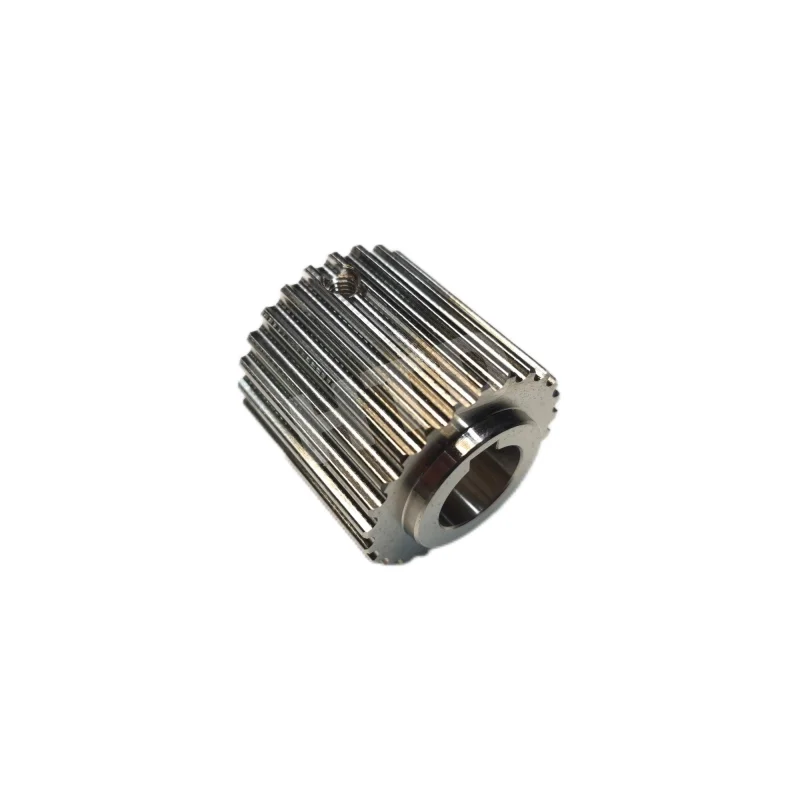
Understanding HTD 3M Pulleys
The HTD (High Torque Drive) 3M pulley is designed with a curvilinear tooth profile that ensures smoother engagement with the timing belt compared to traditional trapezoidal designs.
Key advantages include:
-
High torque capacity
-
Reduced belt slippage
-
Improved load distribution
-
Lower operational noise
Because HTD 3M pulleys are often used in precision machinery, even minor wear or misalignment can affect system performance.
Why Proper Maintenance Matters
Regular maintenance is essential for several reasons:
-
Prevents premature wear of pulleys and belts
-
Maintains transmission accuracy in automated equipment
-
Reduces unexpected downtime and costly repairs
-
Improves overall machine efficiency
High-precision manufacturers like Hetuoda Machinery Manufacturing produce synchronous pulleys, gear racks, tensioners, gears, and various machined components with tight tolerances. However, proper maintenance is still crucial to maximize their lifespan.
1. Perform Regular Visual Inspections
Routine inspections are the first step in preventing major mechanical failures.
Check for:
-
Worn or damaged pulley teeth
-
Belt misalignment
-
Cracks or deformation in the pulley body
-
Excessive dust or debris in the transmission system
If you notice unusual wear patterns, it may indicate incorrect tension, misalignment, or overload conditions.
2. Maintain Proper Belt Tension
Incorrect belt tension is one of the most common causes of pulley wear.
If the belt is too tight:
-
Excessive load on pulley bearings
-
Faster component wear
-
Increased energy consumption
If the belt is too loose:
-
Belt slippage
-
Reduced transmission efficiency
-
Irregular motion
Always adjust belt tension according to the manufacturer's recommended specifications.
3. Ensure Accurate Pulley Alignment
Misalignment between pulleys can significantly reduce the lifespan of both the belt and the pulley.
Signs of misalignment include:
-
Uneven belt wear
-
Noise during operation
-
Vibration in the transmission system
Use precision alignment tools to ensure both pulleys are positioned parallel and properly centered.
4. Keep the Transmission System Clean
Dust, oil, and debris can accumulate in pulley grooves and belt teeth, causing:
-
Reduced grip between belt and pulley
-
Increased friction and wear
-
Potential belt skipping
Cleaning tips:
-
Use compressed air to remove dust
-
Avoid harsh chemicals that may damage belts
-
Regularly wipe exposed components
A clean transmission system contributes significantly to long-term reliability.
5. Lubricate Adjacent Components Properly
Although timing belts themselves typically do not require lubrication, bearings and surrounding moving parts do.
Proper lubrication helps:
-
Reduce friction
-
Prevent overheating
-
Extend bearing life
Be careful not to allow oil or grease to contaminate the timing belt surface, as this can cause slipping.
6. Replace Worn Components in Time
Even with excellent maintenance, pulleys and belts will eventually wear out.
Signs that replacement may be necessary:
-
Rounded or chipped pulley teeth
-
Persistent belt slipping
-
Excessive vibration or noise
-
Reduced transmission accuracy
Working with a reliable manufacturer like Hetuoda Machinery Manufacturing ensures access to high-precision replacement parts and OEM solutions tailored to your equipment.
Their product range includes:
-
Precision synchronous pulleys
-
Gear racks and gears
-
Tensioner pulleys and assemblies
-
Custom machined transmission components
These parts are designed to meet the demanding requirements of modern industrial automation systems.
Conclusion
HTD 3M pulleys are essential components in many high-performance mechanical systems. With proper maintenance practices—such as regular inspections, correct belt tension, precise alignment, cleanliness, and timely replacement—you can significantly extend their service life and maintain optimal machine performance.
Partnering with an experienced manufacturer like Hetuoda Machinery Manufacturing, which specializes in high-precision transmission parts and OEM manufacturing, ensures that your production line benefits from reliable components designed for durability and efficiency.
http://www.cdepulley.com
Suzhou Hetuoda Machinery Manufacturing Co., Ltd. -
-
AuthorPosts

- You must be logged in to reply to this topic.