- This topic is empty.
-
AuthorPosts
-
25/02/2026 at 14:12 #5392
In recent years, large-scale rainwater harvesting projects have become increasingly important for sustainable water management. With urbanization, population growth, and climate change affecting water availability, many municipalities, industries, and commercial facilities are turning to rainwater harvesting systems to supplement their water needs. A critical component in these systems is the filtration mechanism, and among the available options, fiber disc filters have emerged as a reliable and efficient solution. This article explores why fiber disc filters are an ideal choice for large-scale rainwater projects, how they work, and what factors should be considered during selection and maintenance.
Understanding Fiber Disc Filters
Fiber disc filters are a type of mechanical filtration system designed to remove suspended solids, debris, and particulate matter from water. They consist of stacked discs made from high-quality fibrous material, typically polypropylene, with alternating grooves that create a labyrinth for water to pass through. As water flows through the discs, impurities are trapped in the fibrous layers, effectively removing sediment, leaves, sand, algae, and other contaminants.
One of the key advantages of fiber disc filters is their self-cleaning mechanism. Many models use a backwash system that automatically cleans the discs without disassembling the filter, reducing maintenance requirements and operational downtime. This feature is particularly valuable for large-scale rainwater projects, where continuous water flow and minimal maintenance are critical.
Benefits of Fiber Disc Filters for Large-Scale Rainwater Systems
1. High Filtration Efficiency
Large-scale rainwater harvesting projects often deal with significant volumes of water, which can carry high concentrations of debris, especially during the first flush of rainfall. Fiber disc filters offer high filtration efficiency, capable of removing particles as small as 25 to 50 microns. This ensures that water entering storage tanks, irrigation systems, or industrial processes is clean and free of contaminants that could cause clogging or damage downstream equipment.
2. Scalability and Modular Design
Fiber disc filters are highly modular, making them suitable for large-scale applications. Multiple units can be installed in parallel to handle high flow rates, and the number of discs can be adjusted to meet specific filtration requirements. This scalability allows engineers to design systems that match the capacity of municipal facilities, industrial plants, or commercial complexes.
3. Low Maintenance and Operational Costs
Maintaining a rainwater filtration system can be labor-intensive, particularly for large installations. Fiber disc filters simplify maintenance with features like automatic backwash, easy-to-replace discs, and minimal moving parts. This reduces operational costs and ensures that the system continues to function efficiently without frequent human intervention.
4. Durable and Long-Lasting
The materials used in fiber disc filters are resistant to corrosion, chemical exposure, and UV degradation. This durability is crucial for large-scale rainwater systems, which often operate continuously and are exposed to outdoor environmental conditions. A high-quality fiber disc filter can provide years of reliable performance, making it a cost-effective investment.
5. Adaptability to Various Applications
Beyond municipal and industrial water supply, fiber disc filters are versatile enough to be used in agricultural irrigation, commercial facilities, and environmental management projects. Their ability to handle fluctuating water quality and volumes makes them ideal for large-scale rainwater projects that experience seasonal or storm-related variations.
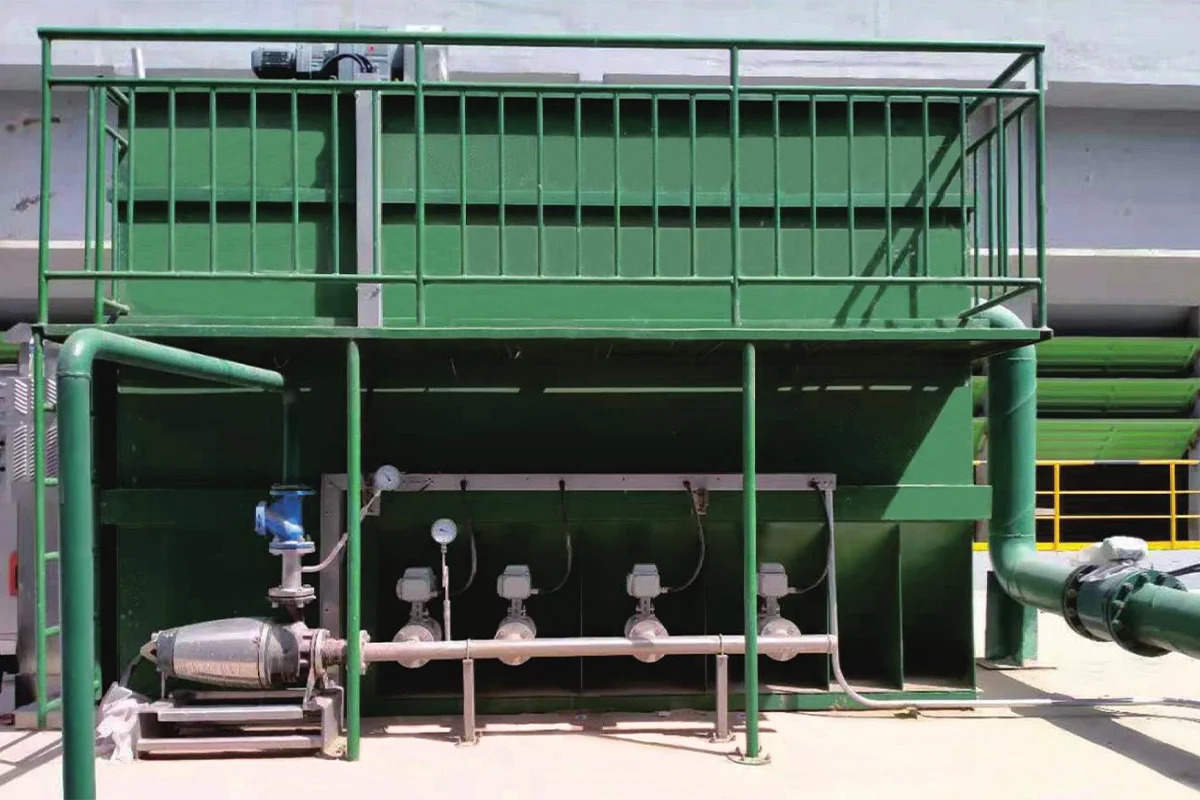
Key Considerations When Choosing Fiber Disc Filters
Selecting the right fiber disc filter for a large-scale rainwater project requires careful consideration of several factors. Here are the most important aspects to evaluate:
1. Flow Rate Requirements
Large-scale systems require filters that can handle high flow rates without compromising filtration efficiency. Engineers should calculate the maximum expected flow and ensure that the chosen fiber disc filter can handle this capacity. Often, multiple units are installed in parallel to distribute the load and prevent pressure drops.
2. Filtration Micron Rating
The micron rating determines the size of particles the filter can remove. For rainwater applications, a micron rating between 25 and 50 microns is common, as it effectively captures debris like leaves, sand, and silt while allowing water to flow freely. However, specialized applications, such as industrial processes, may require finer filtration.
3. Backwash and Cleaning Mechanism
Automatic backwash systems are highly recommended for large-scale projects, as manual cleaning would be impractical and labor-intensive. The backwash frequency, water consumption during cleaning, and ease of disc replacement are important factors to consider. Some models also include programmable control systems for automated operation.
4. Material Compatibility and Durability
Rainwater often contains organic matter and may pick up chemical residues from rooftops, roads, or industrial areas. Fiber disc filters made from durable, chemical-resistant materials such as polypropylene or stainless steel components ensure longevity and reliable performance. UV-resistant materials are also preferred for outdoor installations.
5. Installation and Space Requirements
Large-scale rainwater systems can involve multiple filters arranged in parallel or series. Assessing space availability, piping configuration, and accessibility for maintenance is essential during the design phase. Modular fiber disc filters are advantageous because they can be stacked or connected according to project requirements.
6. Supplier Reputation and Technical Support
Finally, choosing a reputable supplier is crucial. Fiber disc filters are a long-term investment, and reliable suppliers provide technical support, customization options, and post-sale service. A supplier with experience in large-scale rainwater projects can offer guidance on system design, flow optimization, and maintenance planning.
Case Study: Fiber Disc Filters in Municipal Rainwater Systems
In many cities facing water scarcity, municipalities have implemented large-scale rainwater harvesting systems to supplement potable water supplies. For instance, a city in Australia installed a network of fiber disc filters in conjunction with rainwater storage tanks to capture and purify runoff from public buildings and parks.
The fiber disc filters efficiently removed leaves, sediment, and other debris, ensuring that stored water could be used for irrigation, toilet flushing, and fire-fighting reserves. The automatic backwash system minimized maintenance labor, and the modular design allowed the city to expand the system as additional rooftops and impervious areas were incorporated into the network. This example demonstrates how fiber disc filters can enhance water quality, reliability, and operational efficiency in large-scale applications.
Maintenance Best Practices for Large-Scale Projects
While fiber disc filters are designed to be low-maintenance, regular monitoring and preventive measures are essential for optimal performance:
-
Scheduled Backwashing: Even with automatic systems, verify that backwash cycles are operating correctly and adjust frequency based on rainfall and debris load.
-
Disc Inspection: Periodically inspect discs for wear, tear, or clogging, and replace them as needed to maintain filtration efficiency.
-
System Flushing: Occasionally flush the entire system to prevent buildup of organic matter or sediment.
-
Monitor Pressure: Use pressure gauges to detect any blockage or flow reduction, which can indicate maintenance needs.
-
Documentation: Keep records of maintenance activities, filter replacements, and water quality tests to track system performance over time.
Conclusion
For large-scale rainwater projects, selecting the right filtration system is crucial to ensuring clean, safe, and reliable water supply. Fiber disc filters offer unmatched advantages, including high filtration efficiency, scalability, low maintenance, durability, and adaptability to various applications. By carefully evaluating flow rate, micron rating, cleaning mechanisms, materials, installation requirements, and supplier reliability, engineers and project managers can design effective rainwater systems that meet both current and future needs.
Investing in high-quality fiber disc filters not only enhances water quality but also contributes to sustainable water management, operational efficiency, and long-term cost savings. As cities, industries, and agricultural operations increasingly rely on harvested rainwater, fiber disc filters will continue to play a pivotal role in the success of large-scale rainwater projects.
http://www.jinhuacn.com
jinhuacn -
-
AuthorPosts

- You must be logged in to reply to this topic.