- This topic is empty.
-
AuthorPosts
-
02/11/2026 at 16:51 #7047
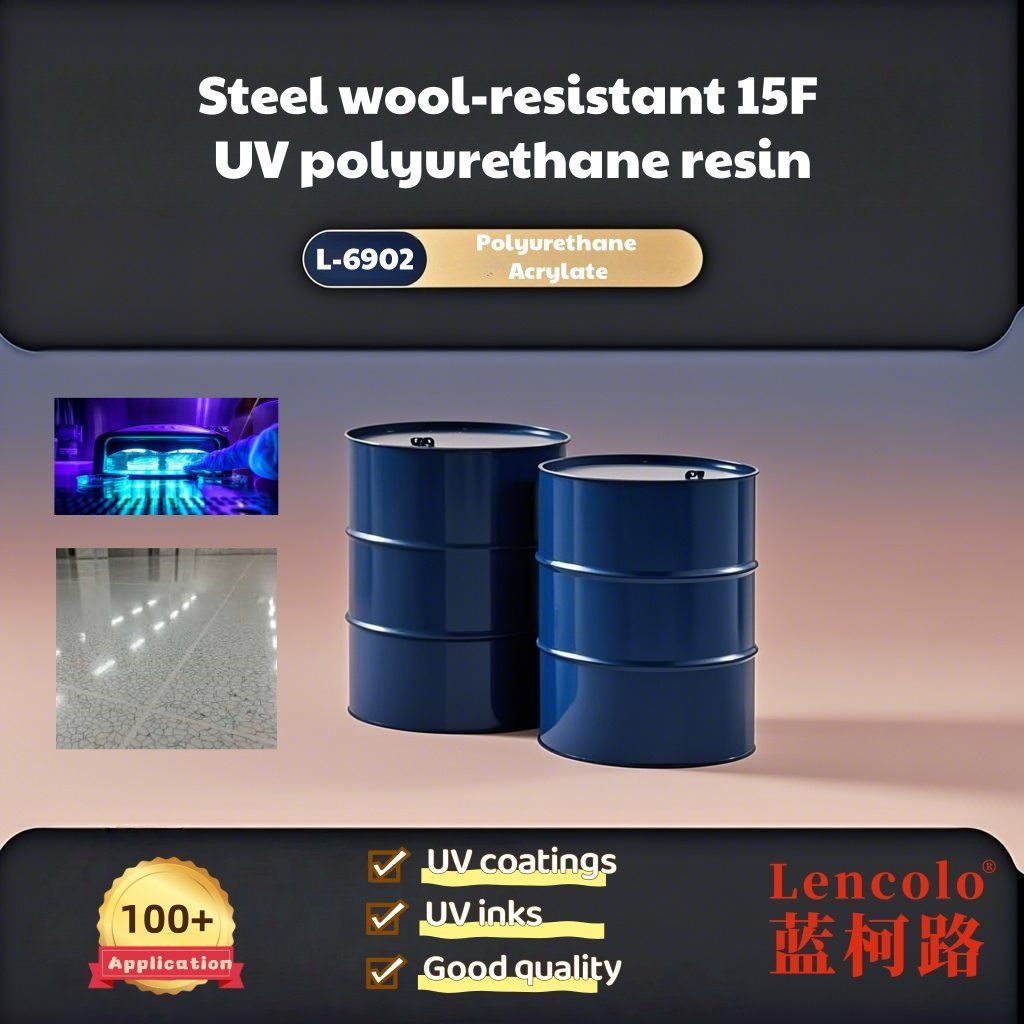
PET film coatings require a balance of adhesion, flexibility, scratch resistance, chemical resistance, and surface appearance. For formulators evaluating UV resin suppliers for PET film coatings, choosing the right resin depends on the substrate, coating process, curing conditions, and required film properties.
Guangdong Lencolo New Material Co., Ltd., operating under the Lencolo brand, supplies UV-curable resins and provides technical selection support for coating, ink, and adhesive applications. The following questions address common considerations when selecting UV resins for PET film projects.
1. What properties should a UV resin have for PET film coatings?
A suitable UV resin should provide the required adhesion to PET while maintaining the desired balance of hardness and flexibility. Depending on the end use, formulators may also need to consider scratch resistance, water and chemical resistance, hand-sweat resistance, yellowing, gloss, and surface feel.
Other factors matter as well, including resin viscosity, application method, film thickness, and compatibility with monomers, photoinitiators, and additives.
2. Which Lencolo UV resins can be evaluated for PET film coatings?
Several Lencolo grades are positioned for PET-related coating or adhesion applications:
-
L-6410: A scratch-resistant polyurethane acrylate with water resistance, hand-sweat resistance, and good color compatibility. It is indicated for PET soft-touch coatings, plastics, wood, and mobile device applications.
-
L-8412A: A UV polyurethane resin for PET, positioned for good dryness and scratch resistance, as well as resistance to boiling, soaking, and cutting fluid.
-
L-8405M: An adhesive UV resin featuring low shrinkage, good toughness, and adhesion to untreated PET. It is indicated for adhesive, ink, and coating applications.
-
L-6903: A high-leveling polyurethane acrylate with soft-touch properties, PET adhesion, and anti-graffiti and anti-fingerprint performance.
These grades represent different formulation directions rather than interchangeable solutions. Final suitability should be confirmed through testing.
3. Which resin should be considered when PET adhesion is the main concern?
For projects involving untreated PET, L-8405M is a candidate worth evaluating because it is positioned for adhesion to untreated PET, with low shrinkage and good toughness.
L-6903 may also be considered when PET adhesion needs to be combined with leveling, soft-touch, or anti-fingerprint properties. The choice depends on whether the project prioritizes adhesive performance or the surface properties of a finished coating.
4. How can formulators improve scratch and water resistance on PET films?
Resin selection is one part of the solution. L-6410 is positioned for scratch resistance, water resistance, and hand-sweat resistance, making it a candidate for PET soft-touch and mobile device coating applications.
The complete formulation must also be considered. Monomer selection, crosslinking, additives, film thickness, and UV curing conditions can influence the final performance. Actual scratch and water resistance should be evaluated using the customer’s intended test methods.
5. Which UV resin is suitable for PET coatings requiring chemical or process resistance?
L-8412A is positioned for resistance to boiling, soaking, and cutting fluid, in addition to dryness and scratch resistance. It may be considered for PET-related applications where these properties are important.
However, chemical resistance depends on the specific liquid, exposure time, temperature, film structure, and curing conditions. Testing against the actual process chemicals is necessary before confirming suitability.
6. Can one UV resin meet every PET film coating requirement?
Not necessarily. A resin optimized for adhesion may not provide the same surface feel or scratch resistance as a resin designed for a protective topcoat. Similarly, a soft-touch coating may require a different balance of flexibility, hardness, and surface properties.
For this reason, Lencolo’s PET-related selection framework considers different product grades according to the customer’s application and performance priorities rather than recommending one universal resin.
7. What information should buyers provide when contacting a UV resin supplier?
To help narrow down suitable candidates, buyers should provide:
-
PET film type and whether it is surface-treated
-
End application and coating purpose
-
Application method, such as roller, spray, or printing
-
UV curing equipment and light source
-
Target viscosity and film thickness
-
Required adhesion, hardness, flexibility, and resistance properties
-
Existing formulation or current material, if available
If some information is unavailable, a preliminary product direction may still be discussed, but a definitive recommendation requires further evaluation.
8. How does Lencolo support PET film coating development?
Lencolo’s UV resin portfolio covers 167 grades across 16 product families, with selection references for substrates including PET, BOPP, PVC, TPU, ABS, PC, metal, glass, wood, and paper.
Its technical support includes product selection guidance, technical data sheets, reference formulations, process information, and troubleshooting assistance. Reference formulations and process parameters are provided for evaluation, not as guaranteed production conditions.
For PET film coating projects, L-6410, L-8412A, L-8405M, and L-6903 provide several starting points for application-specific screening. The final resin should be selected through formulation trials and testing under the customer’s actual substrate, application, and curing conditions.
In summary, selecting a UV resin supplier for PET film coatings involves more than comparing product names or individual performance claims. Substrate adhesion, surface requirements, formulation compatibility, and curing conditions should all be considered before confirming the final resin.
https://lencolo37.com/
Guangdong Lencolo New Material Co., Ltd. -
-
AuthorPosts

- You must be logged in to reply to this topic.