- This topic is empty.
-
AuthorPosts
-
26/10/2026 at 17:20 #6980
Introduction
Wind power projects require a reliable electrical distribution system to transfer electricity from individual wind turbines to the grid. As wind farms continue to expand in capacity and geographical coverage, the design of medium-voltage collector networks has become increasingly important. Electrical equipment must operate reliably in remote locations, withstand demanding environmental conditions, and support efficient fault isolation without causing unnecessary interruptions across the entire wind farm.
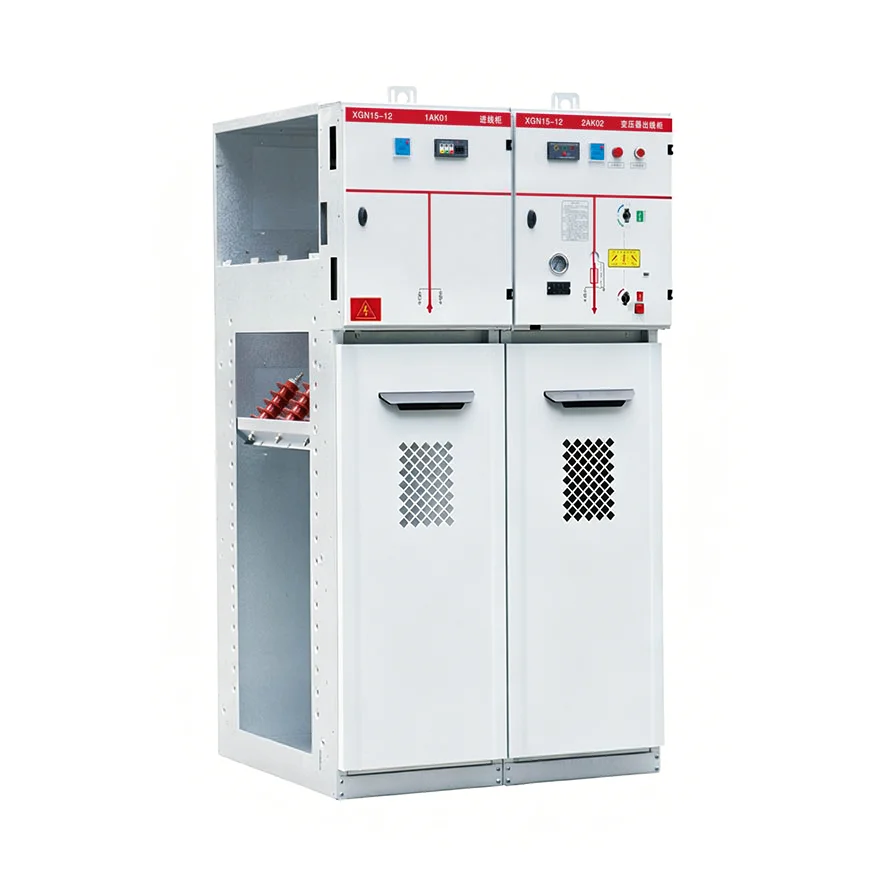
Ring main units (RMUs) are widely used in medium-voltage power distribution and play an important role in meeting these requirements. By integrating switching, circuit isolation, and other electrical functions into a compact assembly, a ring main unit provides a practical solution for connecting wind turbines to the collector network and managing power distribution between different sections of a wind farm.
The application of ring main units in the wind power industry is closely related to the development of wind turbine electrical systems, medium-voltage cable networks, and renewable energy substations. Whether used in onshore wind farms or offshore wind installations, the right RMU configuration can help improve network flexibility, simplify maintenance operations, and support the long-term reliability of electrical infrastructure.
Understanding these applications helps wind farm developers, electrical contractors, and equipment purchasers identify suitable medium-voltage switchgear for different project requirements.
1. How Ring Main Units Work in Wind Power Distribution Systems
To understand the importance of ring main units in wind energy projects, it is necessary to examine how electricity moves through a typical wind farm.
A wind turbine converts wind energy into electrical energy through its generator. Depending on the turbine design, power electronics and a transformer are used to prepare the generated electricity for transmission through the medium-voltage collector network. Electricity from multiple turbines is then collected and delivered to the wind farm's main substation, where it is prepared for grid connection.
Throughout this process, electrical circuits need to be connected, disconnected, monitored, and isolated when necessary. This is where ring main units become useful.
A medium-voltage ring main unit typically combines switching equipment, busbars, cable connection points, and earthing facilities in a compact enclosure. Depending on the configuration, it may also incorporate circuit breakers, protection relays, and measurement or communication devices.
In a wind farm, the RMU can be installed between a turbine transformer and the collector cables, at selected points along the collector network, or in other medium-voltage distribution locations where its functions are appropriate.
Its main responsibilities include:
-
Connecting electrical circuits: Providing switching facilities for turbine transformer connections and collector network feeders.
-
Isolating equipment: Allowing designated circuits to be disconnected for inspection, maintenance, or fault management.
-
Supporting network sectionalizing: Helping operators separate affected cable sections from healthy parts of the distribution network.
-
Improving operational safety: Providing earthing and interlocking functions according to the equipment design and approved operating procedures.
-
Optimizing installation space: Integrating multiple functions into a compact assembly suitable for turbine towers and electrical enclosures.
The specific functions available depend on the selected RMU configuration. For example, a load-break switch provides normal switching capability but does not replace a circuit breaker where dedicated fault-current interruption is required.
For this reason, ring main units must be selected according to the electrical design of the wind farm rather than simply by their physical dimensions or rated voltage.
2. Application of Ring Main Units at Wind Turbine Transformer Connections
One of the most direct applications of ring main units in wind power generation is at the medium-voltage connection between an individual wind turbine transformer and the collector network.
Each turbine typically has its own electrical equipment arrangement. After the generator output is converted and transformed to the required voltage, the electricity enters the wind farm's medium-voltage distribution system.
An RMU installed at the transformer connection point provides a means of controlling the associated electrical circuit. This arrangement is particularly useful when a turbine transformer, cable termination, or connected circuit requires maintenance.
For example, suppose a technician needs to inspect a turbine transformer following an abnormal operating condition. The relevant electrical circuit must be isolated in accordance with the wind farm's switching procedures before work begins. A properly configured ring main unit can provide the required switching and isolation facilities, while the wider protection system helps ensure that faults are handled correctly.
The use of compact RMUs is also practical inside wind turbine towers, where electrical equipment must share limited space with control systems, auxiliary power equipment, and other components.
When selecting an RMU for a wind turbine transformer connection, engineers should evaluate the following factors:
-
Rated voltage and continuous current of the medium-voltage circuit.
-
Transformer capacity and the expected electrical loading.
-
Cable connection direction and termination requirements.
-
Short-circuit withstand capability and the required protection arrangement.
-
Available installation space and access for maintenance.
-
Compatibility with the turbine's electrical design and control system.
A suitable ring main unit helps create a well-organized connection between the turbine transformer and the wind farm collector network, supporting safe operation throughout the turbine's service life.
3. Using Ring Main Units in Wind Farm Collector Networks
The collector network is one of the most important parts of a wind farm's electrical infrastructure. It connects multiple wind turbines and transports their combined electrical output toward the main substation.
Depending on the project layout, medium-voltage collector systems may use radial feeders, ring configurations, or sectionalized network arrangements. Ring main units can provide switching and sectionalizing functions at selected connection points within these systems.
3.1 Managing Multiple Turbine Connections
In a wind farm with dozens of turbines, individual turbines are often grouped into several collector feeders. Each feeder carries electricity from a group of turbines toward the substation.
Ring main units can be installed at suitable points to manage connections between turbine branches and collector cables. This allows the electrical network to be divided into manageable sections rather than treated as one continuous circuit.
For wind farm operators, this arrangement can make routine switching and fault investigation more straightforward.
It also helps standardize electrical equipment across turbine groups, which can simplify maintenance planning and spare-parts management in large projects.
3.2 Isolating Faulty Cable Sections
Medium-voltage cables are exposed to various risks throughout a wind farm's operating life. Mechanical damage during construction, insulation deterioration, water ingress, and termination defects can all contribute to cable failures.
When a cable fault occurs, the protection system must detect and clear the fault. Switching equipment can then be used to isolate the affected section so that the fault can be investigated and repaired.
In a suitably designed ring network, ring main units may allow operators to disconnect the damaged section while maintaining electrical service to unaffected sections through an alternative path.
However, this outcome depends on the network configuration, protection coordination, available capacity, and switching procedures. A ring-shaped cable layout alone does not guarantee uninterrupted power supply.
The principal benefit is that strategically positioned RMUs can give operators greater control over network sectionalizing, helping limit the operational impact of certain faults.
3.3 Supporting Flexible Network Operation
Wind farm operating conditions change as wind speed and turbine output fluctuate. Although the collector network is designed around defined electrical limits, operators may also need to change network configurations during maintenance or after equipment failures.
Ring main units provide switching points that can support these planned changes.
For example, an operator may need to isolate a cable section for inspection or transfer a suitable part of the network to an alternative supply route. Where the system has been designed for this operation, RMUs can help execute the required switching sequence.
This flexibility is particularly valuable in large wind farms, where the consequences of unnecessary feeder outages can be significant.
4. The Role of Ring Main Units in Onshore Wind Farms
Onshore wind farms are often built across large areas of agricultural land, mountainous terrain, coastal regions, and remote open spaces. These locations can create practical challenges for electrical installation, equipment access, and maintenance.
Ring main units offer several advantages when applied appropriately to onshore wind power distribution.
4.1 Compact Design for Limited Installation Space
Space is often restricted inside wind turbine towers and prefabricated electrical rooms. A compact ring main unit can integrate several switching functions into a single assembly, reducing the space required compared with arrangements using separate equipment for each function.
This can simplify the layout of the turbine's medium-voltage electrical system and help engineers coordinate cable routes, transformer connections, and maintenance access.
Compact construction is particularly useful when multiple electrical components must fit within a standardized turbine design.
Nevertheless, the selected unit must still provide sufficient space for cable bending, termination work, safe operation, and the maintenance activities specified by the manufacturer.
4.2 Simplifying Maintenance Across Multiple Turbines
A wind farm may contain many turbines distributed across a large geographical area. If each turbine uses a substantially different electrical arrangement, maintenance teams may need to manage different operating procedures, spare parts, and technical documentation.
Using standardized ring main unit configurations across compatible turbine installations can help reduce this complexity.
Maintenance personnel can become familiar with a consistent equipment layout, while project operators can simplify spare-parts planning and technical training.
Standardization is especially valuable for projects with repeated turbine designs, although equipment specifications must still match the electrical requirements of each circuit.
4.3 Improving Distribution Network Management
For remote onshore wind farms, faults and maintenance activities can require technicians to travel considerable distances between turbines.
Appropriately positioned ring main units provide defined switching and isolation points throughout the collector network. Combined with a clear circuit identification system and coordinated protection design, this can help technicians locate affected sections and plan repair work more efficiently.
The result is a more manageable distribution system, particularly when RMUs are integrated into a well-documented electrical network.
5. Application of Ring Main Units in Offshore Wind Power Projects
Offshore wind farms present a different set of requirements. Electrical equipment may be installed inside turbine towers, transition pieces, offshore substations, or other enclosed facilities exposed to humid and potentially corrosive environments.
Maintenance access is also more difficult because technicians may depend on vessel availability, weather conditions, and offshore safety procedures.
These factors make equipment reliability and appropriate specification especially important.
5.1 Meeting Environmental Protection Requirements
Offshore environments can expose equipment to salt-laden air, condensation, humidity, and temperature variations. Although the degree of exposure depends on the installation location, equipment must be selected for the actual service conditions.
When specifying an offshore ring main unit, project engineers should consider enclosure protection, corrosion resistance, cable sealing, insulation performance, and the suitability of auxiliary components.
Equipment installed inside a controlled electrical room may have different requirements from equipment installed in a more exposed location.
The protection rating alone should not be treated as proof of complete offshore suitability. Materials, environmental qualification, installation design, and maintenance requirements must also be evaluated.
5.2 Reducing the Burden of Offshore Maintenance
A fault in offshore electrical equipment can be costly to investigate and repair. Access may be delayed by poor weather, and maintenance activities often require additional logistical planning.
A reliable medium-voltage switching arrangement helps operators isolate the relevant circuit and coordinate repair work. Where the collector network includes an engineered alternative power path, the isolation of a faulted section may also help maintain operation of unaffected turbines.
For this reason, ring main units used in offshore wind applications should be evaluated for mechanical reliability, operating performance, environmental suitability, and the availability of manufacturer support.
The objective is not simply to install compact equipment, but to select switchgear that meets the operational demands of an offshore renewable energy project.
5.3 Considering Equipment Size and Installation Layout
Offshore substations have demanding space, weight, and layout requirements. Compact switchgear may help optimize the available installation area, particularly in selected medium-voltage distribution applications.
However, large offshore wind substations often require extensive switchgear systems to handle numerous feeders, complex protection arrangements, and higher electrical ratings.
In these cases, conventional medium-voltage switchgear lineups may be more suitable than compact RMUs.
The decision should be based on the required switching functions, rated current, short-circuit performance, protection scheme, and overall substation architecture.
6. How Ring Main Units Improve Electrical Safety and Reliability
Electrical safety and network reliability are closely connected in wind power projects. Equipment must not only support normal power distribution but also enable operators to manage abnormal conditions safely.
Ring main units contribute to these objectives through several functional features.
6.1 Switching and Isolation
During maintenance, the relevant electrical circuit must be disconnected from all applicable sources of supply. An RMU can provide switching facilities for the designated circuit, subject to its configuration and the system's isolation requirements.
Operators must follow the approved switching sequence and verify that the equipment is in the required safe condition before work begins. Earthing switches and interlocking mechanisms can provide additional safeguards when used correctly.
6.2 Coordinated Protection
Different electrical faults require different protection responses. A ring main unit may include a circuit breaker and protection relay, or it may use a switching configuration that relies on other protective devices elsewhere in the network.
The complete protection system must be designed so that faults are cleared by the appropriate devices without unnecessarily disconnecting healthy circuits.
Protection coordination is particularly important in wind farms with multiple turbines, transformers, and interconnected feeder sections.
6.3 Equipment Monitoring
Modern RMU installations may incorporate auxiliary contacts, electrical measurement devices, sensors, and communication interfaces.
When connected to a supervisory control and data acquisition system (SCADA), these functions can help operators monitor equipment status and receive selected alarms remotely.
Remote monitoring can improve operational visibility, especially across geographically dispersed wind farms. Remote switching, however, requires suitable equipment, authorization controls, interlocks, and operating procedures.
Monitoring capabilities should therefore be matched to the wind farm's control architecture rather than treated as a standard feature of every ring main unit.
Conclusion
Ring main units play an important role in the medium-voltage distribution systems used by onshore and offshore wind farms. Their applications range from wind turbine transformer connections to collector network sectionalizing and selected substation installations. With suitable configurations, they provide practical switching and isolation functions that help operators manage electrical faults, carry out maintenance, and maintain control over the distribution network.
For wind power projects, selecting an appropriate RMU requires careful consideration of rated voltage, continuous current, short-circuit performance, insulation technology, environmental conditions, and protection requirements. Proper installation and coordinated operation are equally important to achieving reliable long-term performance.
As wind energy infrastructure continues to develop, dependable medium-voltage equipment will remain essential to efficient electricity collection and distribution. Vensol recognizes the importance of reliable electrical distribution solutions in renewable energy applications and supports wind power projects with a focus on practical engineering requirements, equipment suitability, and dependable power distribution. Choosing the right ring main unit helps create a stronger foundation for safe, efficient, and sustainable wind energy development.
http://www.vensolws.com
vensolws -
-
AuthorPosts

- You must be logged in to reply to this topic.