- This topic is empty.
-
AuthorPosts
-
24/08/2026 at 15:37 #6474
Introduction
Selecting the right transformer technology is an important decision for industrial facilities, commercial buildings, renewable energy projects, data centers, transportation systems, and other electrical installations. While both cast resin and vacuum pressure impregnated (VPI) transformers belong to the category of dry-type transformers, their insulation systems, manufacturing processes, environmental performance, and application characteristics are different.
For buyers comparing these two technologies, the question is not simply which one is better. Instead, the right choice depends on the installation environment, electrical load, space limitations, maintenance requirements, budget, and long-term operating conditions.
A cast resin transformer uses epoxy resin to encapsulate the windings, creating a solid insulation structure around the coils. A VPI dry-type transformer, on the other hand, uses an insulation system impregnated with resin under vacuum and pressure. Both technologies can provide reliable power distribution when properly designed and manufactured, but each has advantages that may make it more suitable for specific applications.
Understanding the differences between cast resin and VPI transformers can help electrical engineers, project contractors, equipment distributors, and purchasing managers make a more informed decision.
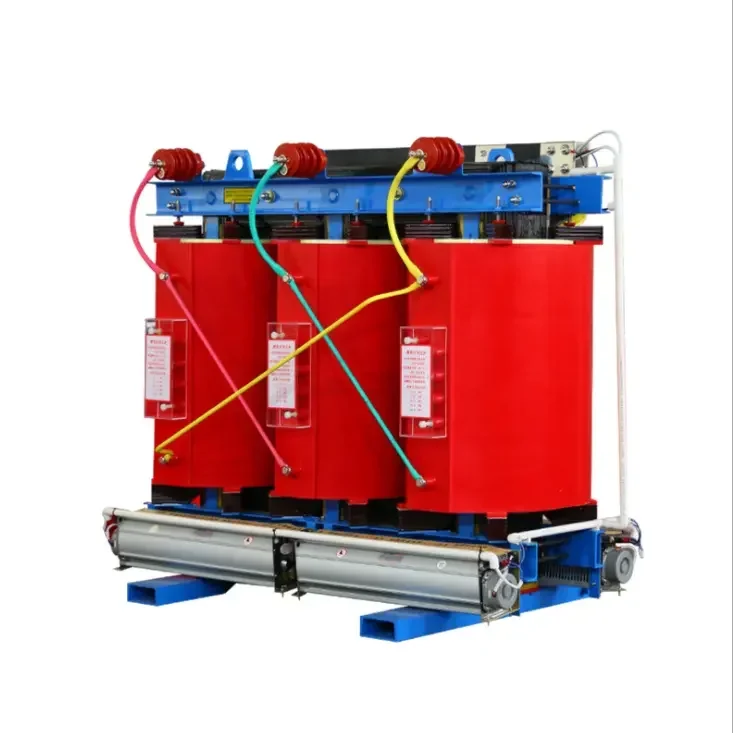
What Is a Cast Resin Dry-Type Transformer?
A cast resin transformer is a type of dry-type transformer in which the high-voltage windings are typically encapsulated in epoxy resin. The resin creates a solid insulating layer around the winding and provides mechanical and environmental protection.
During production, the winding is placed into a mold and impregnated or encapsulated with resin under controlled conditions. After curing, the resulting structure provides strong insulation and helps protect the winding against moisture, dust, and other environmental contaminants.
One of the main characteristics of cast resin technology is its sealed winding structure. Because the winding is surrounded by solid resin, the transformer can offer good resistance to environmental conditions that may affect conventional insulation systems.
Cast resin transformers are commonly used in:
-
Commercial buildings
-
Hospitals
-
Airports
-
Shopping centers
-
Industrial plants
-
Data centers
-
Renewable energy installations
-
Underground facilities
Their combination of electrical reliability, fire safety, and environmental resistance makes them particularly attractive for indoor and demanding applications.
What Is a VPI Dry-Type Transformer?
VPI stands for Vacuum Pressure Impregnation. A VPI transformer uses a different insulation manufacturing process from a cast resin transformer.
In a typical VPI process, the windings are treated with insulating resin under vacuum and pressure. The vacuum helps remove air and moisture from the insulation system, while pressure allows the resin to penetrate the winding structure more effectively. The winding is then cured to create a mechanically stable insulation system.
Unlike cast resin construction, the windings of a VPI dry-type transformer are not completely encapsulated in a solid epoxy block.
VPI technology is widely used for industrial and commercial transformer applications where strong mechanical performance, thermal stability, and flexible design are important.
Typical applications include:
-
Manufacturing facilities
-
Utility substations
-
Commercial power distribution
-
Mining operations
-
Infrastructure projects
-
Renewable energy facilities
-
Transportation systems
Cast Resin vs VPI: What Are the Main Differences?
Although both are dry-type transformer technologies, cast resin and VPI designs differ in several important areas.
1. Insulation Structure
The most obvious difference is the insulation structure.
A cast resin transformer uses epoxy resin to encapsulate the winding. This creates a relatively solid protective barrier around the conductor and insulation system.
A VPI transformer uses resin impregnation instead. The resin penetrates the insulation materials and bonds the components together, but the winding is not completely enclosed in an epoxy casing.
This structural difference affects environmental resistance, thermal behavior, repairability, and manufacturing characteristics.
2. Moisture and Environmental Resistance
Environmental conditions should be one of the first factors considered when selecting a dry-type transformer.
Cast resin transformers generally provide strong resistance to moisture because the windings are encapsulated in epoxy resin. This can be beneficial in environments where humidity, condensation, or occasional exposure to contaminants is a concern.
VPI transformers can also provide good environmental performance when properly manufactured and protected. However, their insulation structure is different, so installation conditions and enclosure design become particularly important.
For facilities with high humidity or challenging environmental conditions, buyers should discuss the actual operating environment with the transformer manufacturer instead of assuming that one technology is automatically suitable for every situation.
3. Fire Safety
Fire safety is one of the major reasons many facilities choose a dry-type transformer instead of an oil-filled transformer.
Neither cast resin nor VPI transformers requires liquid insulating oil. This eliminates the fire and leakage risks associated with combustible insulating liquids.
However, the specific fire performance of a transformer depends on its insulation materials, construction, and applicable certifications.
Cast resin transformers often receive attention for their epoxy insulation system, which can provide strong resistance to ignition and environmental exposure. VPI transformers can also be designed to meet strict fire safety requirements when appropriate insulation materials are used.
For hospitals, commercial buildings, transportation hubs, and other occupied facilities, buyers should review the manufacturer's fire performance data and relevant certifications rather than relying solely on the transformer type.
4. Thermal Performance
Heat management is another important consideration.
All transformers generate heat during operation. The ability to dissipate this heat affects efficiency, insulation aging, and service life.
Cast resin transformers have a solid insulation structure around the windings. This structure provides excellent mechanical protection, but the thermal design must ensure that heat generated inside the winding can be effectively transferred to the surrounding air.
VPI transformers have a different winding structure, which may provide certain advantages in heat dissipation depending on the design.
However, it would be inaccurate to assume that one technology is always more efficient than the other. Actual thermal performance depends on:
-
Winding design
-
Conductor material
-
Insulation system
-
Core construction
-
Cooling method
-
Transformer rating
-
Temperature rise requirements
-
Installation environment
When comparing products, buyers should focus on actual temperature-rise data and efficiency specifications rather than general claims.
5. Mechanical Strength
Mechanical strength is especially important in industrial environments and applications where transformers may experience vibration or short-circuit forces.
The epoxy structure of a cast resin transformer can provide strong mechanical support for the winding. This can help protect the winding against mechanical stress during operation.
VPI transformers are also designed to provide strong mechanical stability through resin impregnation and mechanical reinforcement.
For demanding applications such as manufacturing plants, mining facilities, transportation systems, and marine projects, buyers should evaluate the transformer's mechanical design, mounting structure, vibration resistance, and short-circuit withstand capability.
A professional dry-type transformer manufacturer should be able to provide relevant technical specifications and test information.
6. Maintenance Requirements
Both cast resin and VPI transformers generally require less maintenance than oil-filled transformers because they do not contain insulating oil.
Routine maintenance may include:
-
Cleaning dust from the transformer
-
Checking electrical connections
-
Inspecting insulation surfaces
-
Monitoring operating temperature
-
Checking ventilation
-
Inspecting cooling fans
-
Monitoring abnormal noise and vibration
Cast resin transformers can have an advantage in contaminated environments because the encapsulated winding is better isolated from external contaminants.
However, neither technology should be considered maintenance-free. Dust accumulation, overheating, poor ventilation, loose connections, and excessive loading can affect any transformer.
A preventive maintenance program is still necessary to achieve long-term reliability.
7. Repairability and Service Considerations
Another difference worth considering is repairability.
The encapsulated structure of a cast resin transformer can make certain types of winding damage more difficult to repair at the site. If severe damage occurs, specialized repair procedures or replacement may be necessary.
VPI transformers may offer greater flexibility for certain repair operations because the winding is not completely encapsulated in solid epoxy resin.
For critical infrastructure projects, buyers should therefore consider the supplier's after-sales service capabilities, replacement options, repair support, and expected response time.
The best transformer is not necessarily the one with the lowest initial price. Long-term service support can have a major impact on the total cost of ownership.
8. Noise Performance
Transformer noise is important when equipment is installed close to occupied spaces.
Hospitals, hotels, offices, shopping centers, and residential buildings may have strict requirements regarding transformer noise.
Both cast resin and VPI transformers can be designed for low-noise operation. However, noise levels depend on the magnetic core, core joints, winding design, mechanical structure, load conditions, and installation method.
If low noise is a major project requirement, buyers should request actual sound-level specifications from the supplier.
It is also useful to consider whether the transformer will be installed in a dedicated electrical room or close to working and living areas.
How to Choose Between Cast Resin and VPI
There is no universal answer to the question of which dry-type transformer technology is better.
Instead, buyers should evaluate several key factors.
Choose Cast Resin When:
Cast resin technology may be a strong option when:
-
Moisture resistance is important
-
The transformer will be installed indoors
-
Environmental contamination is a concern
-
Fire safety is a major priority
-
The installation requires strong winding protection
-
Long-term environmental durability is important
Consider VPI When:
VPI technology may be appropriate when:
-
The installation environment is relatively controlled
-
Flexible transformer design is required
-
Mechanical performance is important
-
Thermal requirements are demanding
-
Cost considerations are significant
-
The project has specific VPI design requirements
These are general guidelines rather than strict rules. The final decision should be based on the project's electrical and environmental requirements.
Questions to Ask a Dry-Type Transformer Manufacturer
Before purchasing, buyers should ask suppliers several technical questions.
What Insulation System Is Used?
Request detailed information about the resin, insulation materials, thermal class, and manufacturing process.
What Tests Are Performed?
Ask whether the manufacturer performs routine tests and whether test reports can be provided with the finished transformer.
What Are the Temperature-Rise Specifications?
Temperature performance is important for determining whether the transformer can operate safely under the expected load.
What Is the Expected Service Life?
A reputable supplier should be able to explain the expected operating conditions and design life of its transformer.
Can the Transformer Be Customized?
For industrial projects, customization may be necessary for voltage, dimensions, cooling, enclosure, or environmental requirements.
What After-Sales Support Is Available?
Clarify installation guidance, maintenance recommendations, troubleshooting assistance, and spare parts availability before placing the order.
A manufacturer that provides transparent answers and complete technical documentation is generally a stronger choice for long-term cooperation.
Why Manufacturer Quality Matters
Even when two transformers use the same technology, their actual performance can be very different.
Manufacturing quality affects:
-
Insulation reliability
-
Winding consistency
-
Core losses
-
Temperature rise
-
Mechanical strength
-
Noise level
-
Service life
This is why choosing an experienced dry-type transformer manufacturer is just as important as selecting cast resin or VPI technology.
A qualified manufacturer should have reliable raw material suppliers, controlled production processes, experienced engineers, modern testing equipment, and strict quality inspection procedures.
For international buyers, certifications, factory experience, export capability, and technical support should also be considered.
Conclusion
Choosing between a cast resin and VPI dry-type transformer requires a comprehensive understanding of the project's electrical, environmental, and operational requirements. Both technologies offer reliable alternatives to oil-filled transformers and can provide safe, efficient power distribution when properly designed and manufactured.
Cast resin technology is often well suited to applications where strong environmental protection and moisture resistance are essential. VPI technology can provide a flexible and reliable solution for many industrial and commercial power systems.
Rather than choosing based solely on purchase price or general industry claims, buyers should evaluate insulation quality, thermal performance, mechanical strength, efficiency, testing procedures, maintenance requirements, and supplier capabilities.
By working with an experienced dry-type transformer manufacturer and providing complete application requirements before production, customers can select a transformer that offers the right combination of safety, reliability, performance, and long-term value.
http://www.vensolws.com
vensolws -
-
AuthorPosts

- You must be logged in to reply to this topic.